

When you or a loved one is facing cancer and going through treatment, treatment-related side effects can disrupt daily life. Chemotherapy—and radiation involving the head or scalp—may cause hair loss or changes to the skin and scalp, including dryness, redness, irritation, or increased sensitivity.
Providing gentle care during this difficult time can help improve everyday comfort. Some conventional shampoos may feel too harsh or heavily fragranced when the scalp is more sensitive than usual. Finding a suitable shampoo for cancer patients may seem difficult, but understanding what to look for can make the decision easier.
What to Look for in a Gentle Shampoo During Cancer Treatment
When choosing a shampoo for chemo patients, look for a mild formula designed for a dry, delicate, or sensitive scalp. A suitable shampoo during chemotherapy should cleanse without leaving the scalp feeling tight, stripped, or uncomfortable.
Many people also prefer a fragrance-free shampoo during chemo, especially when treatment makes the scalp or sense of smell more sensitive. A sulfate-free or mild cleansing formula may also provide a gentler washing experience. However, the overall formula and how it feels on the scalp are more important than any single ingredient claim.
A gentle shampoo for cancer patients may be especially helpful when the hair and scalp experience treatment-related changes. Individual needs can vary, so speak with your oncology care team or dermatologist if you experience persistent redness, sores, pain, or other scalp concerns.
Potential Issues with Conventional Shampoos
A typical shampoo purchased at a supermarket or drugstore may not always be ideal when you are undergoing chemotherapy or radiation involving the head or scalp. Some shampoos contain strong cleansing ingredients, additives, or fragrances that may feel uncomfortable on an already sensitive scalp.
The American Cancer Society recommends being gentle when washing and brushing the hair, using a mild shampoo, and avoiding products with harsh chemicals or fragrances during cancer treatment.
Look for a shampoo that is gentle on the scalp while still providing effective cleansing. Conditioning properties may also help soften hair that has become dry or brittle-feeling during treatment and make it easier to manage.
Why Mild Cleansing Matters During Treatment
A mild shampoo should gently cleanse and condition the hair without leaving the scalp feeling excessively dry or uncomfortable. Formulas made without added fragrance may be preferable when treatment increases sensitivity to scents or makes the scalp feel more delicate.
MD Anderson Cancer Center advises people experiencing chemotherapy-related hair loss to use mild shampoos, wash only as needed rather than automatically washing every day, and keep the scalp clean and moisturized. These recommendations reinforce the importance of a simple and gentle scalp-care routine during chemotherapy.
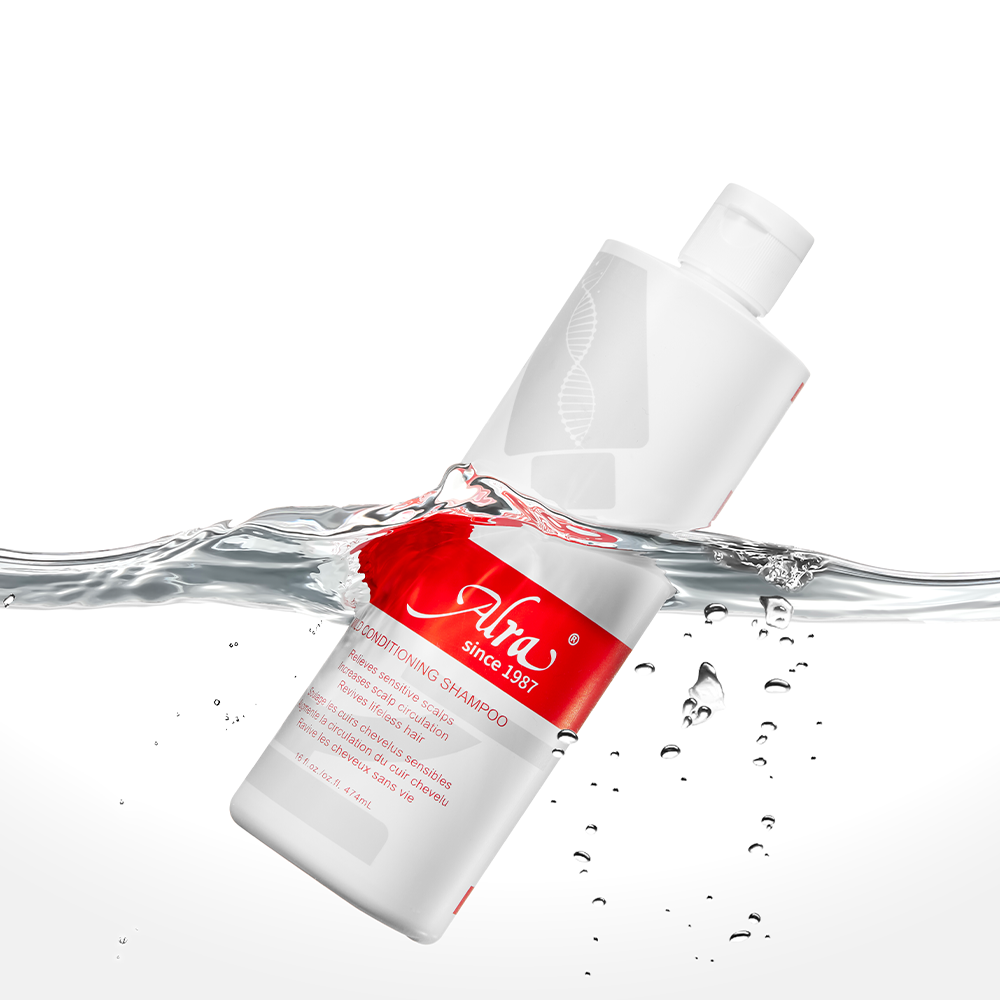
About Alra Mild Conditioning Shampoo
Alra Mild Conditioning Shampoo is designed to gently cleanse and condition dry, sensitive hair and scalp. It is made without added fragrance or parabens and provides a milder alternative to many conventional shampoos.
Its conditioning properties help hair feel softer, shinier, and easier to manage without positioning the product as a treatment for cancer, hair loss, or scalp disease.
Key features include:
- Gentle cleansing for a dry or sensitive scalp
- Fragrance-free and paraben-free formula
- Conditioning support for dry or brittle-feeling hair
- Designed to leave hair feeling softer and more manageable
- Suitable for people seeking a mild shampoo during chemotherapy or radiation treatment involving the head or scalp

How to Use Mild Conditioning Shampoo
Wet the hair and scalp with lukewarm water. Apply a small amount of shampoo and massage gently with your fingertips without scratching or scrubbing the scalp. Rinse thoroughly and pat the hair dry with a soft towel. Avoid very hot water, which may increase dryness and discomfort.
These gentle washing steps can be included as part of regular scalp care during chemotherapy. If you also need additional conditioning support for dry or difficult-to-manage hair, consider a gentle shampoo and conditioner routine.
How Often Should You Wash Your Hair During Chemotherapy?
There is no single washing frequency that is appropriate for everyone. How often you wash your hair will depend on your scalp condition, hair type, treatment plan, oil or product buildup, and your medical team’s recommendations.
The American Cancer Society recommends limiting hair washing during treatment, while MD Anderson recommends washing only as needed instead of automatically washing every day.
If washing makes the scalp feel increasingly dry, tight, or uncomfortable, consider adjusting the frequency or the amount of shampoo used. Ask your medical team for personalized advice if you are unsure how often to wash your hair during chemotherapy.
Choosing a Shampoo After Chemotherapy or Hair Loss
After treatment, the scalp may remain sensitive for a period of time, and new hair may initially feel different in texture or thickness. When selecting a shampoo after chemotherapy-related hair loss, continue focusing on mild cleansing, limited friction, and the current condition of your scalp.
Avoid returning immediately to stronger cleansing, chemical treatments, or heavily fragranced products if the scalp still feels sensitive. For broader post-treatment information, read our guide to skin care after chemotherapy.
Frequently Asked Questions
What shampoo is best for cancer patients?
There is no single shampoo that is right for everyone. In general, look for a gentle, fragrance-free shampoo that cleanses without making the scalp feel excessively dry or irritated. Your oncology team can provide personalized guidance based on your treatment and scalp condition.
Can chemotherapy make the scalp more sensitive?
Some people notice dryness, tenderness, itching, irritation, or other changes to the hair and scalp during chemotherapy. A mild cleansing routine may help reduce unnecessary discomfort, but new or worsening symptoms should be discussed with a healthcare professional.
Can I use regular shampoo during chemotherapy?
This depends on your individual sensitivity and treatment. Some conventional shampoos contain fragrances or stronger cleansing ingredients that may feel uncomfortable on a sensitive scalp. Choosing a milder formula may provide a gentler washing experience.
Should I use a sulfate-free shampoo during chemotherapy?
A sulfate-free shampoo during chemo may be worth considering if you want a milder cleansing experience. However, sulfate-free does not automatically mean that every formula will be gentle. Consider the complete formula and how your scalp feels after washing.
How often should I wash my hair during chemotherapy?
There is no universal schedule. Washing frequency should reflect your scalp condition, oil or product buildup, treatment-related changes, and your medical team’s guidance. If washing increases dryness or discomfort, you may need to wash less frequently.
Is Alra Mild Conditioning Shampoo fragrance-free?
Yes. Alra Mild Conditioning Shampoo is made without added fragrance and is designed for gentle cleansing and conditioning of dry, sensitive hair and scalp.
Choosing a Gentle Shampoo During Treatment
When choosing a shampoo during cancer treatment, focus on mild cleansing, limited fragrance, minimal friction, and how your scalp feels after washing. A suitable routine should support everyday comfort without claiming to prevent or treat treatment-related hair loss.
You can explore Alra Mild Conditioning Shampoo and other chemo care products on our website.
You can place an online order through our website or call (800) 930-2572 to place a phone order. For customer service, email Customercare@alra.com or call (877) 265-9092.
References
This article is provided for general educational purposes and is not a substitute for medical advice. Consult your cancer care team about symptoms or products appropriate for your treatment.





1 comment
Hello , I’m looking for products for my son is has been dx wth leukemia and is currently loosing his hair and his face is becoming dry and irritating