Skin reactions can worsen after radiation therapy ends because damage to skin-renewing cells and the resulting inflammation take time to resolve. Reactions may be most noticeable during the first few weeks after the final session before gradually improving. Recovery varies, and new or worsening symptoms should be reported to your radiation care team. [1–3]
Scope: This guide focuses on acute skin reactions around the end of external beam radiation therapy. It provides general education and does not replace your radiation care team’s instructions. New or worsening symptoms should be reported, even during an expected reaction peak. [2]
1. Why skin reactions can worsen after treatment
Radiation can damage basal keratinocytes—the cells that help renew the outer skin layer—and small blood vessels in the treated area. The resulting inflammation and impaired regeneration do not stop immediately when treatment ends. [1]
In everyday terms, older surface cells continue to shed while the skin’s ability to replace them is temporarily reduced. This helps explain why treatment-related dryness, peeling, redness, or discomfort can become more apparent after the final session. [1]
When reactions peak and healing begins
There is no single recovery timetable. eviQ’s patient information describes skin reactions as potentially being worst about one to three weeks after treatment, with most healing occurring by four to six weeks. MSK notes that reactions may peak within two weeks after the final session. [2,3]
The NHS states that skin problems usually settle within two to four weeks after treatment ends. These ranges describe different stages of recovery, rather than a deadline: improvement can begin before healing is complete. Blistered or peeling skin may take longer to heal, and the treatment area, dose, and individual response affect the course. [2,4,5]
2. Skin changes you may notice
Changes usually affect the skin exposed to radiation. Not everyone develops the same symptoms, and color changes can look different across skin tones. Possible changes include the following. [3,5]
-
Color changes: Skin may look pinker, redder, or darker than usual.
-
Dryness and tightness: The area may feel rough or tight, with fine flakes.
-
Itching and tenderness: Skin may feel itchy, sore, or sensitive to touch.
-
Flaking or peeling: Dry surface skin may shed.
-
Swelling: The treated area may look or feel puffy.
These symptoms can continue into the weeks after treatment. More pronounced reactions may include blisters or moist, weeping areas where the surface skin has broken down. Tell your care team about these changes; they may need dressings or other medical care. [2,5]
For related information, read our guide to dry skin during cancer treatment.
3. Caring for skin after radiation therapy
Continue the recovery routine your treatment team recommends until the skin has healed. Nova Scotia Health explicitly advises continuing skin-care precautions after radiation finishes. [6]
Cleanse gently
Use lukewarm water and a mild, fragrance-free cleanser. Avoid scrubbing, exfoliating tools, and vigorous towel drying; gently pat the area dry instead. [3]
Moisturize intact skin as advised
Use a moisturizer approved by your radiation care team. eviQ recommends the advised moisturizer at least twice daily; follow your own team’s directions on frequency and application. Do not put ordinary moisturizers on open, broken, or weeping skin unless your team specifically instructs you to do so. [2,3]
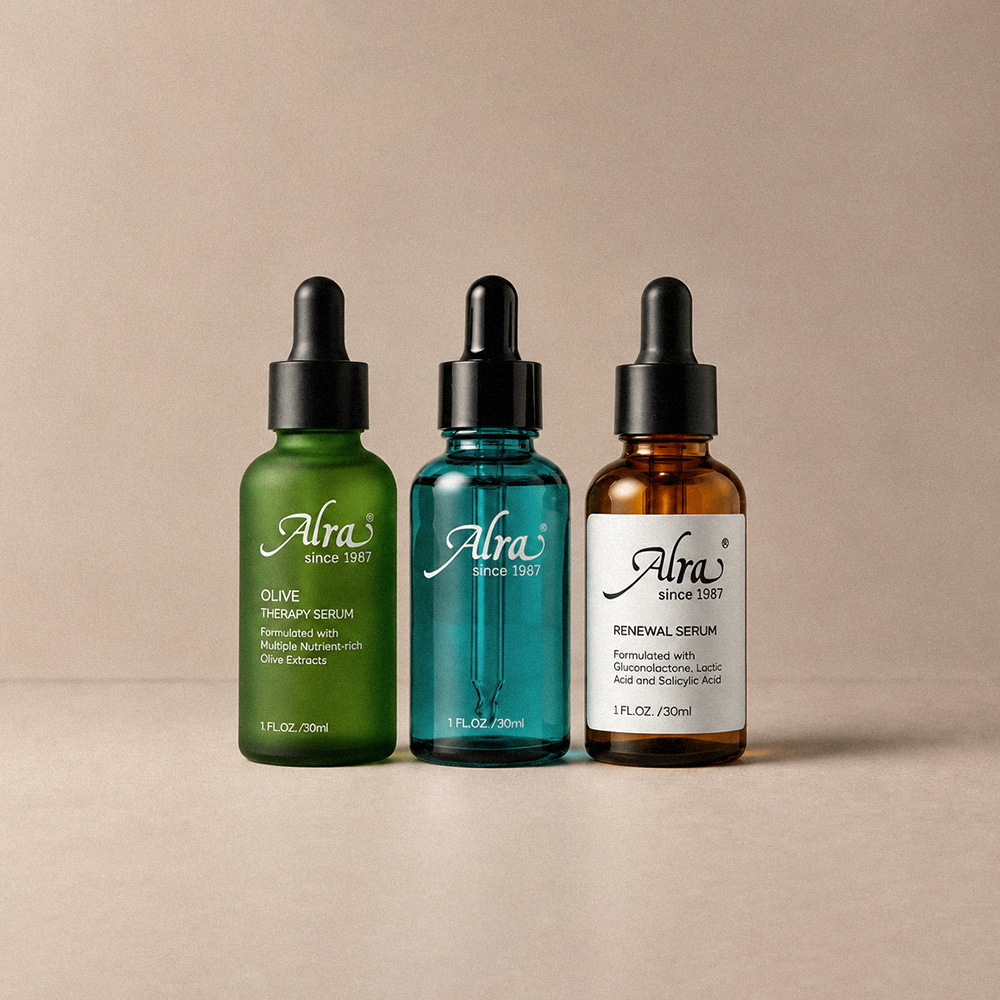
If you are considering ALRA Therapy Lotion for daily moisturizing, share the complete ingredient list with your care team before using it on the treated area.
Reduce friction and other irritation
Choose soft, loose-fitting clothes that do not rub the area. Avoid scratching; ask your care team about suitable itch relief. Keep heating pads, ice packs, and other sources of extreme heat or cold away from recovering skin. [6,7]
Protect the area outdoors
Cover the area with loose-fitting protective clothing and seek shade. Ask your care team which sunscreen to use and when it is suitable for recovering skin. Avoid tanning beds. [7]
Follow the wound care plan if skin opens
If the surface breaks or becomes wet and weepy, contact your team for a care plan. Do not add creams or change dressings without guidance. Wound care and routine moisturizing serve different purposes. [2,4]
4. When to contact your radiation care team
An expected peak in reactions does not make every worsening symptom safe to wait out. Contact your radiation care team promptly about new or worsening symptoms, including the following. [2]
-
Increasing pain or discomfort.
-
Increasing redness or swelling, or skin that feels hot or hard.
-
Blisters, new open areas, or fluid draining from the skin.
-
A temperature of 100.4°F (38°C) or higher, or chills.
Your team can assess whether you need medication, dressings, or other treatment. Do not wait for a scheduled follow-up if these symptoms develop. For fever or severe symptoms, follow your oncology team’s urgent-care instructions; seek urgent medical care if you cannot reach them. [2,3]
5. Returning to everyday skincare
Wait until the treated skin has healed before returning to your usual products. UCLH advises that normal products can be used once the skin has healed, and that broken or peeled skin may take longer. Follow your team’s assessment rather than a fixed calendar date. [8]
Discuss potentially irritating products first
Before restarting retinol, exfoliating acids, or other potentially irritating products on the treated area, discuss them individually with your care team or dermatologist. The patient guidance cited here does not provide a universal restart date for these ingredients. Do not interpret permission to resume ordinary skincare as approval for every active ingredient or cosmetic procedure.
For further reading on choosing skincare for sensitive skin after treatment, see our recovery skincare guide. Your clinical care plan remains the priority.
Continue sun protection and observation
Cancer Research UK recommends protecting the treated area from the sun for at least one year after treatment and using SPF 50 sunscreen. Keep protective clothing and shade in your routine, and confirm product suitability with your team. [7,9]
Some changes can appear months or years later, even after an initial recovery. Continue watching the treated skin and report new redness, a rash, or other changes to your oncologist or dermatologist. [7]
Editorial note: Prepared for the ALRA blog from the institutional guidance listed below. ALRA product and blog links are commercial or related-reading links, not independent medical evidence. No independent medical review is claimed.
References
1. Cancer Institute NSW. Radiation-induced dermatitis [Internet]. eviQ; [cited 2026 Oct 22]. Available from:
2. Memorial Sloan Kettering Cancer Center. How to care for your skin during radiation therapy [Internet]. Updated 2024 Apr 30 [cited 2026 Oct 22]. Available from:
3. Cancer Institute NSW. Skin care during and after radiation therapy [Internet]. eviQ; 2025 [cited 2026 Oct 22]. Patient information. Available from:
4. NHS. Side effects of radiotherapy [Internet]. [cited 2026 Oct 22]. Available from:
5. Breast Cancer Now. Side effects of radiotherapy [Internet]. [cited 2026 Oct 22]. Available from:
6. Nova Scotia Health. Skin care during radiation therapy [Internet]. Cancer Care Program; 2024 [cited 2026 Oct 22]. Patient and family guide. Available from:
7. American Academy of Dermatology Association. How to care for your skin during and after radiation therapy [Internet]. [cited 2026 Oct 22]. Available from:
8. University College London Hospitals NHS Foundation Trust. Series No.17—Finishing radiotherapy treatment [Internet]. [cited 2026 Oct 22]. Available from:
9. Cancer Research UK. Your skin [Internet]. Reviewed 2024 Mar 20 [cited 2026 Oct 22]. Available from: