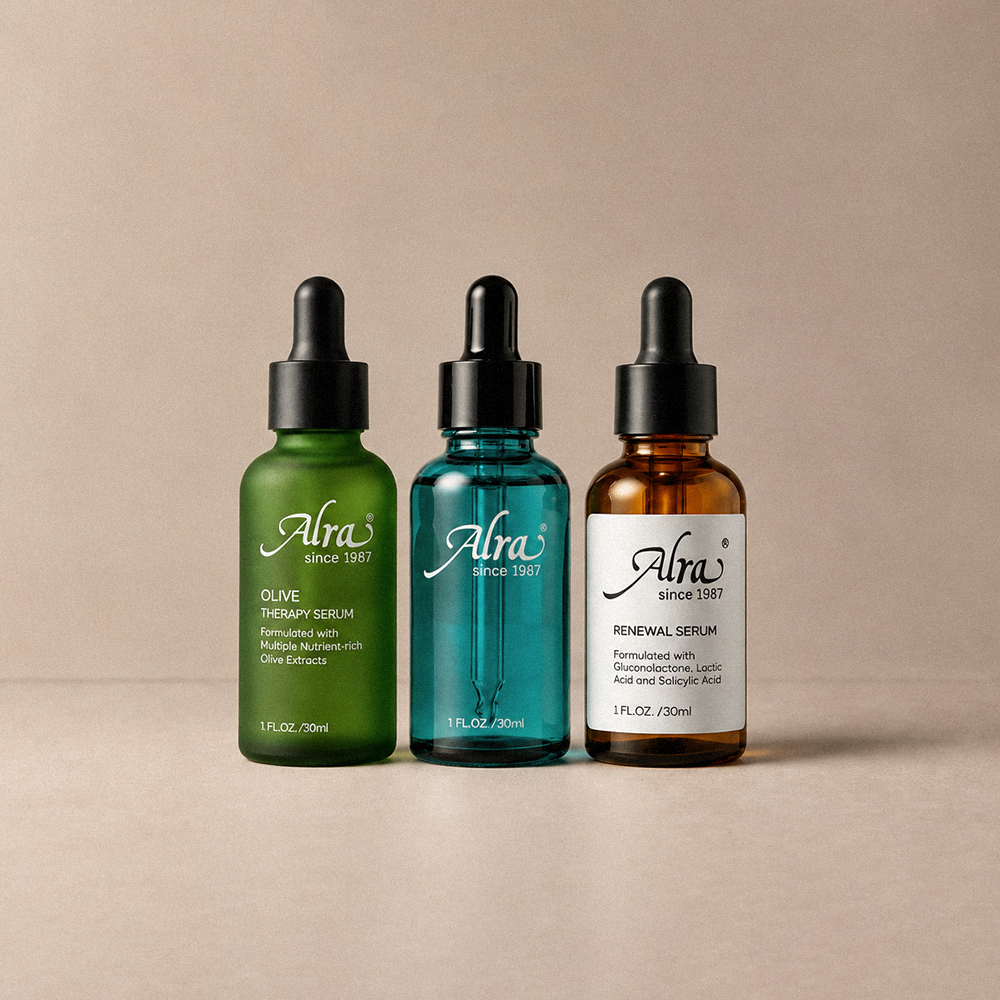

A dark spot correcting serum is best for uneven tone when it combines targeted brightening ingredients with a gentle routine and daily sunscreen. The goal is not to bleach skin or strip it with harsh exfoliation. The goal is to help reduce the look of uneven pigment while keeping the skin barrier calm and comfortable.
Dark spots are stubborn because visible discoloration is usually tied to excess melanin, sun exposure, inflammation, hormones, acne marks, or skin irritation. A serum can help, but it works best when the rest of the routine avoids harsh scrubbing and protects skin from UV exposure every morning.
For many people, the smartest brightening routine is simple: use a mild cleanser, apply a targeted serum consistently, moisturize, and wear sunscreen. Ingredients such as tranexamic acid and niacinamide are often chosen because they support a more even-looking complexion without relying on an aggressive peel-style approach.
Skin care note: This article is educational and does not diagnose or treat medical skin conditions. If you have sudden pigmentation changes, persistent melasma, painful irritation, or discoloration after a procedure or medication, ask a board-certified dermatologist for guidance.
What skin concerns can a dark spot correcting serum support?
A dark spot correcting serum may help improve the appearance of:
- Dark spots from past blemishes
- Post-inflammatory hyperpigmentation
- Uneven-looking skin tone
- Dullness
- Sun-related discoloration
- Melasma-prone discoloration when used as part of a dermatologist-guided plan
Results are gradual. Most brightening routines need consistent use over weeks, and visible improvement is much harder to maintain without broad-spectrum sunscreen.
Why tranexamic acid is used for dark spots
Tranexamic acid is a skincare ingredient used in cosmetic brightening products for the look of hyperpigmentation and uneven tone. It is not an exfoliating acid like glycolic acid or salicylic acid, so it can be easier to fit into a sensitive-skin routine than strong resurfacing products.
In a cosmetic serum, tranexamic acid is often chosen for concerns such as post-acne marks, sun-related uneven tone, and melasma-prone discoloration. It should still be introduced gradually, especially if your skin is reactive.
Why niacinamide pairs well with tranexamic acid
Niacinamide, also known as vitamin B3, is widely used in skincare because it can support a more even-looking complexion and a healthier-feeling skin barrier. Pairing niacinamide with tranexamic acid gives a dark spot serum both tone-focused and barrier-supportive value.
That pairing is useful because skin that is dry, irritated, or over-exfoliated often looks less even. A tone routine should brighten patiently without creating new sensitivity.
Where Alra Dark Spot Correcting Serum fits in
Once you understand what a dark spot serum should do, the formula becomes easier to evaluate. Alra Dark Spot Correcting Serum is designed for the look of dark spots, post-acne marks, melasma-prone discoloration, dullness, and uneven skin tone using 3% tranexamic acid and 3% niacinamide.
It is a practical option for shoppers who want a targeted brightening serum that fits into a gentle routine rather than an aggressive resurfacing routine. For sensitive skin, that matters: a product that causes burning, dryness, or repeated irritation can make uneven tone harder to manage.
How to use Alra Dark Spot Correcting Serum
- Cleanse with a mild face cleanser and pat skin dry.
- Apply a small amount of Alra Dark Spot Correcting Serum to areas of uneven tone or the full face as directed on the product label.
- Follow with moisturizer.
- In the morning, finish with broad-spectrum sunscreen.
If your skin is sensitive, start a few nights per week before increasing use. Avoid starting several new actives at once because it becomes hard to know what caused irritation.
What to use with a dark spot serum
A mild cleanser
Gentle cleansing helps keep the routine comfortable. If your skin is dry or easily irritated, avoid scrubs and harsh cleansing brushes. Alra's All Vegetable Unscented Mild Soap may be useful for customers who prefer a simple unscented cleansing option.
A barrier-supporting moisturizer
Moisturizer helps reduce dryness that can make brightening routines harder to tolerate. Alra's Therapy Lotion is fragrance-free, non-irritating, and made for sensitive skin.
Daily sunscreen
Sunscreen is essential. Dark spots often become more visible with UV exposure, and brightening serums perform best when new UV-triggered discoloration is limited. Apply sunscreen every morning and reapply as needed when outdoors.
What to avoid when treating dark spots
- Scrubbing dark spots aggressively
- Layering too many exfoliating acids at once
- Using a serum on broken, burned, or infected skin
- Expecting overnight results
- Continuing use if irritation does not settle
How long does it take to see results?
Dark spots usually fade slowly. Many people need several weeks of consistent use before noticing visible tone improvement, and deeper or recurring discoloration may take longer. Sun protection, gentle cleansing, and patience are part of the routine, not optional extras.
FAQ
What does Alra Dark Spot Correcting Serum do?
It helps improve the look of dark spots, uneven tone, dullness, and post-acne marks with a formula featuring 3% tranexamic acid and 3% niacinamide.
Can tranexamic acid and niacinamide be used together?
Yes. Tranexamic acid and niacinamide are commonly paired in tone-focused skincare because they support a brighter, more even-looking complexion in complementary ways.
Is this serum an exfoliating acid?
No. Tranexamic acid is not an exfoliating acid like glycolic acid or salicylic acid. It is used in tone-correcting products for visible discoloration and uneven skin tone.
Do I need sunscreen with a dark spot serum?
Yes. Sunscreen is essential because UV exposure can darken existing spots and make uneven tone harder to improve. Use broad-spectrum sunscreen every morning.
Can sensitive skin use a dark spot correcting serum?
Sensitive skin may be able to use a dark spot correcting serum, but it should be introduced slowly. Patch test first, moisturize well, and stop if persistent burning, itching, or redness occurs.