If you’re even a little into skincare, you’ve probably heard the hype about vitamin C. Brightens skin, fights wrinkles, protects from pollution... it’s everywhere, and for good reason.
But what if we told you there’s another antioxidant that might be even stronger than vitamin C? One that doesn’t just protect your skin, but calms it, helps it heal, and strengthens its natural defenses, and all while being gentle enough for sensitive skin?
Enter: Hydroxytyrosol.
Never heard of it? That’s okay. It’s not trendy (yet), but it’s one of the most powerful natural antioxidants ever studied, and it comes from olives.
Let’s break down what hydroxytyrosol is, how it compares to vitamin C, and why it might be your skin’s new favorite ingredient. In this guide, we’ll also cover hydroxytyrosol benefits for skin, whether hydroxytyrosol is good for sensitive skin, and how to choose the best hydroxytyrosol skincare products for your routine.
What Is Hydroxytyrosol?
Hydroxytyrosol is a polyphenol, a type of antioxidant compound, found in olives, olive oil, and olive leaves. It’s one of the reasons why the Mediterranean diet is considered so healthy.
But here’s what makes hydroxytyrosol different: it’s not just good in your diet. It’s incredibly effective when used topically, too.
In skincare, hydroxytyrosol is commonly used for antioxidant protection, visible redness, dryness, barrier support, and stressed-looking skin. Its small molecular structure and strong antioxidant activity make it particularly interesting for formulas developed for sensitive or environmentally stressed skin.
Is Hydroxytyrosol Stronger Than Vitamin C?
Short answer: Yes. At least in terms of antioxidant power.
Let’s talk numbers.
Antioxidant capacity is often evaluated using laboratory measurements such as ORAC values, which indicate how effectively a substance can neutralize free radicals.
-
Vitamin C has an ORAC value of around 2,000.
-
Hydroxytyrosol? Around 40,000–45,000.
Laboratory studies have also examined how hydroxytyrosol helps protect skin cells from UV exposure, pollution, and oxidative stress. In one study, it helped
repair UVA-damaged skin cells and reduced oxidative stress at the cellular level.
These properties make hydroxytyrosol one of the most potent naturally derived antioxidants used in skincare.
Hydroxytyrosol vs. Vitamin C
Vitamin C is best known for visible brightening, collagen support, and antioxidant defense. Hydroxytyrosol is valued for its powerful antioxidant activity as well as its ability to calm, protect, and support sensitive or reactive skin.
The two ingredients can serve different purposes within a skincare routine:
- Vitamin C is often selected to target dullness and uneven-looking skin tone.
- Hydroxytyrosol is especially relevant for visible redness, sensitivity, barrier stress, and environmental protection.
- Both ingredients help defend the skin against free radicals and oxidative damage.
If some vitamin C products make your skin sting, feel dry, or appear red, hydroxytyrosol skincare may provide a gentler antioxidant option.
Hydroxytyrosol Benefits for Skin
Hydroxytyrosol offers several potential skincare benefits, particularly for people concerned about sensitivity, visible redness, premature aging, or a weakened skin barrier.
1. Protects Against Oxidative Skin Damage
Pollution, UV rays, blue light, and stress can all trigger oxidative stress, which damages collagen, speeds up aging, and makes your skin look dull or irritated. Hydroxytyrosol works like a bodyguard for your skin cells. It neutralizes free radicals before they can cause trouble and strengthens your skin’s natural defenses.
Because hydroxytyrosol is more stable than vitamin C, it can provide dependable antioxidant support when incorporated into a properly formulated serum or cream. This makes it especially useful for skin regularly exposed to sunlight, pollution, and other environmental stressors.
2. Calms Visible Redness and Irritation
Hydroxytyrosol is not just an antioxidant. It’s also a powerful anti-inflammatory.
Studies show it reduces inflammation markers in the skin, things like IL-1β, IL-6, and IL-8, which are all linked to redness, irritation, and flare-ups. In fact, one study found it was even more effective than hydrocortisone (a common anti-inflammatory drug) in calming inflamed skin cells.
So if your skin gets red easily, reacts to new products, or just feels “angry” sometimes, hydroxytyrosol could be your calming hero.
3. Helps Prevent Wrinkles and Collagen Breakdown
UV rays and free radicals activate enzymes in your skin that break down collagen and elastin, which are the building blocks that keep your skin firm and smooth.
In lab tests, hydroxytyrosol significantly reduced collagen-degrading enzymes (MMP-1 and MMP-3) and helped fibroblasts (your skin’s repair cells) function more efficiently. This helps preserve your collagen and slow down wrinkle formation.
In short, it’s a great anti-aging ingredient that works behind the scenes to keep your skin firm and resilient.
4. Strengthens the Skin Barrier and Supports Healing
Your skin barrier is like a fence that keeps good stuff in (moisture) and bad stuff out (pollution, bacteria, irritants). If that fence breaks down, you get dryness, flaking, sensitivity, or even acne.
One study showed that a hydroxytyrosol cream helped rebuild the skin barrier by increasing essential proteins like filaggrin, loricrin, and involucrin. These proteins are key for a healthy outer skin layer.
It also increased cell turnover and repair, meaning faster healing from damage or irritation.
Is Hydroxytyrosol Good for Sensitive Skin?
Yes. Hydroxytyrosol can be particularly suitable for sensitive skin when it is included in a gentle, fragrance-free formula.
Some antioxidant products—especially highly acidic vitamin C formulas—may cause stinging, dryness, or visible redness in reactive skin. Hydroxytyrosol provides strong antioxidant support without relying on exfoliation or highly acidic formulations.
A hydroxytyrosol serum may be helpful for people experiencing:
- Visible redness or irritation
- Dry or stressed-looking skin
- A compromised skin barrier
- Sensitivity to stronger active ingredients
- Post-treatment skin discomfort
- Oily or acne-prone skin that still requires gentle care
However, sensitive skin can react differently to complete formulations. Always review the full ingredient list and patch-test a new product before applying it regularly.
Why Isn’t Hydroxytyrosol Used in More Skincare Products?
Great question.
Hydroxytyrosol is harder to extract in large quantities compared to more common ingredients like vitamin C. It's also not as well known yet.
Producing a high-purity hydroxytyrosol extract requires careful sourcing and specialized extraction processes. This can make it more difficult and expensive to formulate with than many conventional antioxidants.
However, that is beginning to change as more skincare formulators, researchers, and dermatologists recognize its potential. Hydroxytyrosol is now appearing in more antioxidant skincare products designed for sensitivity, redness, barrier stress, and environmental protection.
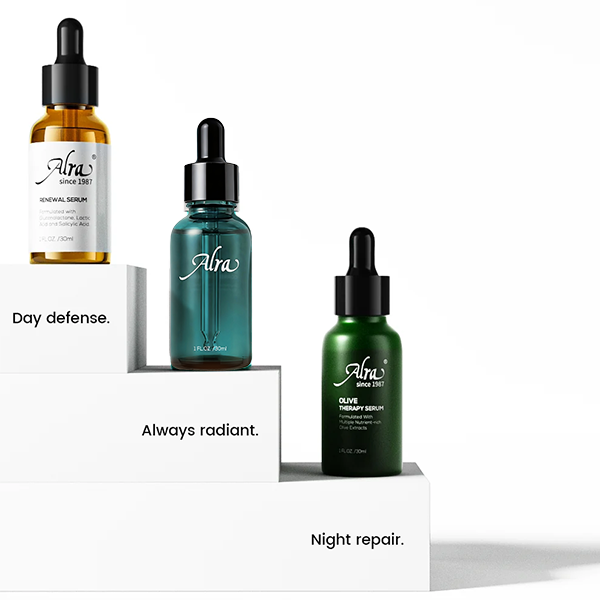
Where to Find Hydroxytyrosol: Alra Olive Therapy Serum
If you want to try hydroxytyrosol in your routine, look for a product that contains it in meaningful concentrations and not just as a marketing buzzword at the bottom of the ingredient list.
Alra Olive Therapy Serum is one of the few serums that’s built around 20% hydroxytyrosol and 80% oleuropein (another powerful antioxidant from olive leaves).
Together, they work to:
- Calm redness and inflammation
- Strengthen and repair the skin barrier
- Protect against oxidative damage and aging
- Soothe breakouts and support post-acne recovery
- Provide hydration without clogging or irritation
It’s also fragrance-free, alcohol-free, and clinically tested to be gentle, even on sensitive or post-treatment skin.
And because Alra uses high-purity olive extracts sourced from Italy, Spain, and France, you’re getting some of the most potent forms of hydroxytyrosol available in skincare.
To experience hydroxytyrosol in your daily routine, explore Alra Olive Therapy Serum, a fragrance-free antioxidant serum developed for sensitive and acne-prone skin.
Final Thoughts
Hydroxytyrosol might not be the most famous skincare ingredient, but it probably should be.
It’s stronger than vitamin C when it comes to antioxidant protection, and it does way more than just shield your skin. It calms, heals, protects, and restores, making it one of the most multi-talented, skin-friendly ingredients you can use.
If your skin is sensitive, easily inflamed, or just needs serious antioxidant support, hydroxytyrosol is worth a spot in your routine. And if you're looking for a serum that actually delivers it in a high enough dose to make a difference, Alra Olive Therapy Serum is a solid place to start.
Your skin already deals with enough stress. Give it the support it deserves.
Frequently Asked Questions
What does hydroxytyrosol do for skin?
Hydroxytyrosol provides powerful antioxidant protection that helps defend the skin against free radicals and environmental oxidative stress. It may also help calm visible redness, support the skin barrier, protect collagen, and improve the appearance of sensitive or stressed-looking skin.
Is hydroxytyrosol better than vitamin C?
Hydroxytyrosol has an antioxidant capacity approximately 20 to 30 times stronger than vitamin C based on ORAC measurements. However, the ingredients have different skincare strengths. Vitamin C is widely used for brightening and collagen support, while hydroxytyrosol is especially valuable for antioxidant protection, visible redness, sensitivity, and barrier support.
Is hydroxytyrosol good for sensitive skin?
Yes. Hydroxytyrosol can be a good choice for sensitive skin, particularly when used in a gentle, fragrance-free formula. It provides antioxidant support without requiring harsh exfoliation and may help calm the appearance of redness and irritation. People with highly reactive skin should still patch-test any new product.
Can hydroxytyrosol help with aging skin?
Yes. Hydroxytyrosol helps neutralize free radicals that contribute to collagen breakdown and visible signs of premature aging. Laboratory studies suggest that it may reduce the activity of collagen-degrading enzymes, helping support firmer, smoother, and more resilient-looking skin.
What skincare products contain hydroxytyrosol?
Hydroxytyrosol is most commonly found in olive-derived antioxidant serums and skincare formulas designed for dry, sensitive, reactive, or environmentally stressed skin. Alra Olive Therapy Serum combines high-purity olive extracts sourced from Italy, Spain, and France in a fragrance-free formula developed for sensitive and acne-prone skin.







1 commentaire
where can anyone purchase these olives or Olive Oil . . . ?