Blog
What Makes Alra Renewal Serum So Effective? Ingredient Breakdown & Skin Benefits
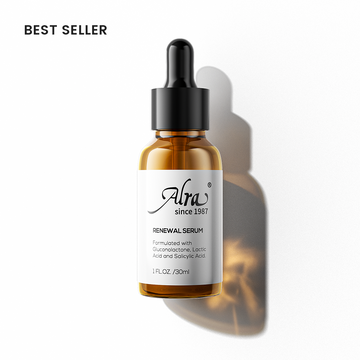
When it comes to gentle yet effective exfoliation, few products are as thoughtfully formulated as the Alra Renewal Serum. Designed for sensitive, acne-prone, and dull skin types, this serum blends AHA, BHA, PHA, and Niacinamide to renew your complexion—without compromising your barrier. In this blog, we’ll break down each ingredient and explain how it contributes to smoother, brighter, healthier-looking skin. 5.4% Lactic Acid (AHA): Tone + Texture Refinement Lactic Acid is a well-known Alpha Hydroxy Acid (AHA) derived from milk. It's one of the most hydrating and least irritating AHAs, making it a perfect fit for sensitive skin. Benefits: Gently removes dead skin cells Brightens dull skin Improves uneven tone and rough texture Promotes smoother, softer skin 15% Gluconolactone (PHA): Sensitive-Skin Friendly Exfoliation Polyhydroxy Acids (PHAs) are the new generation of exfoliants—ideal for those who find AHAs too harsh. Benefits: Provides gentle yet effective exfoliation Enhances hydration by attracting water to the skin Improves skin clarity over time Offers antioxidant properties that protect from environmental stress 2% Salicylic Acid (BHA): Pore Purifying Power Salicylic Acid is a classic Beta Hydroxy Acid (BHA) that penetrates deep into pores to clear out sebum and reduce breakouts. Benefits: Clears blackheads and whiteheads Reduces oiliness and shine Prevents future breakouts by keeping pores clean Soothes active acne inflammation 1% Niacinamide: Barrier Support + Brightening Niacinamide (Vitamin B3) is one of the most well-researched ingredients in modern skincare. Benefits: Strengthens the skin barrier Minimizes redness and inflammation Helps fade post-acne marks and hyperpigmentation Balances oil production Why This Combination Works What sets Alra Renewal Serum apart is its multi-layered exfoliation strategy: AHA works on the surface PHA hydrates and gently polishes BHA clears from within Niacinamide repairs and soothes Together, this serum tackles multiple concerns at once: dullness, roughness, clogged pores, breakouts, and uneven tone—without triggering sensitivity. How to Use Alra Renewal Serum Use at night only on clean, dry skin. Apply 1–2 pumps evenly across the face. Follow with a moisturizer or Olive Therapy Serum to soothe and seal in hydration. Use 2–4 times a week depending on your skin’s tolerance. Always wear SPF in the morning when using exfoliants like AHA or BHA.
Apprendre encore plus
Best Serum for Sensitive Skin in 2025: Alra Olive Therapy Serum as Your First Layer Skincare
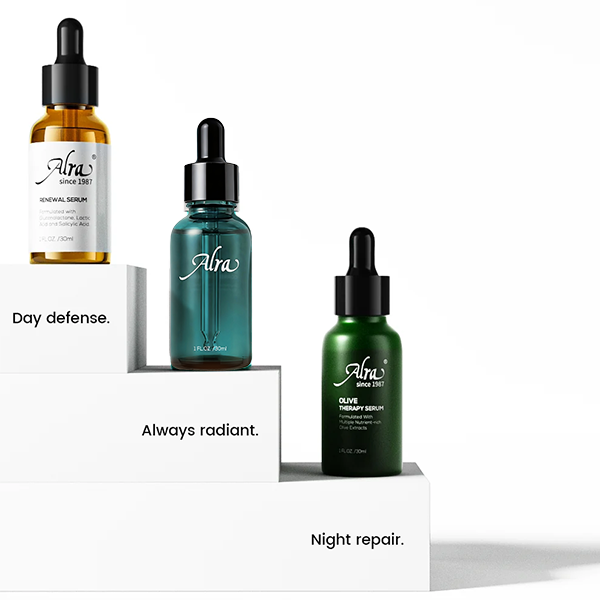
If you're searching for the best serum for sensitive skin in 2025, it's time to discover Alra Olive Therapy Serum. This fragrance-free, alcohol-free formula is crafted for people with sensitive, reactive, or post-treatment skin. But what sets it apart is how it functions not only as a healing serum—but also as a pre-makeup primer for everyday skin protection and barrier support. Whether you have dry patches, redness, or compromised skin from retinol or exfoliating acids, Alra works as your skin's first layer—soothing, hydrating, and preparing it for whatever comes next. What Makes a Serum Ideal for Sensitive Skin? Sensitive skin requires more than clean beauty buzzwords. The ideal serum for delicate skin in 2025 should be: Free of fragrance and drying alcohols Non-comedogenic and gentle enough for post-procedure skin Formulated with barrier-repairing and calming ingredients Alra Olive Therapy Serum meets all of these standards with its 22% blend of olive fruit and olive leaf extracts, paired with hydrating humectants and anti-inflammatory actives. Dual-Purpose: Healing + Pre-Makeup Primer Serum Unlike traditional serums, Alra is designed to function in two key ways: 1. Healing and Recovery Serum Formulated with: Hydroxytyrosol and Oleuropein (from olive extract) – to fight oxidative stress and calm redness Glycerin and Sodium Hyaluronate – to hydrate and plump the skin Licorice root (Dipotassium Glycyrrhizate) – to soothe inflammation Perfect for use after retinol, chemical exfoliants (AHA, BHA), or aesthetic treatments like microneedling. 2. Pre-Makeup First Layer Serum If you're wearing foundation or sunscreen every day, your skin needs a layer of defense: Acts like a breathable antioxidant shield under makeup Prevents irritation, pilling, and dry patches throughout the day Improves skin texture so foundation glides on smoother Why Alra Is the Best Serum for Your First Skincare Step Sensitive skin approved: No harsh actives, fragrances, or alcohol Makeup-friendly: Works under sunscreen, primer, and foundation Daily use safe: Even for rosacea, acne-prone, or barrier-impaired skin Clinically inspired: Originally formulated for post-radiation and chemotherapy care This is more than just a serum—it’s first layer skincare, designed to calm and protect your skin before makeup, SPF, or the environment touches it. How to Use Alra Olive Therapy Serum in Your Routine After cleansing, apply 1–2 pumps to clean, dry skin. Let absorb for 30–60 seconds. Follow with moisturizer, SPF, or foundation. Use morning and night—or anytime your skin needs calming care.
Apprendre encore plus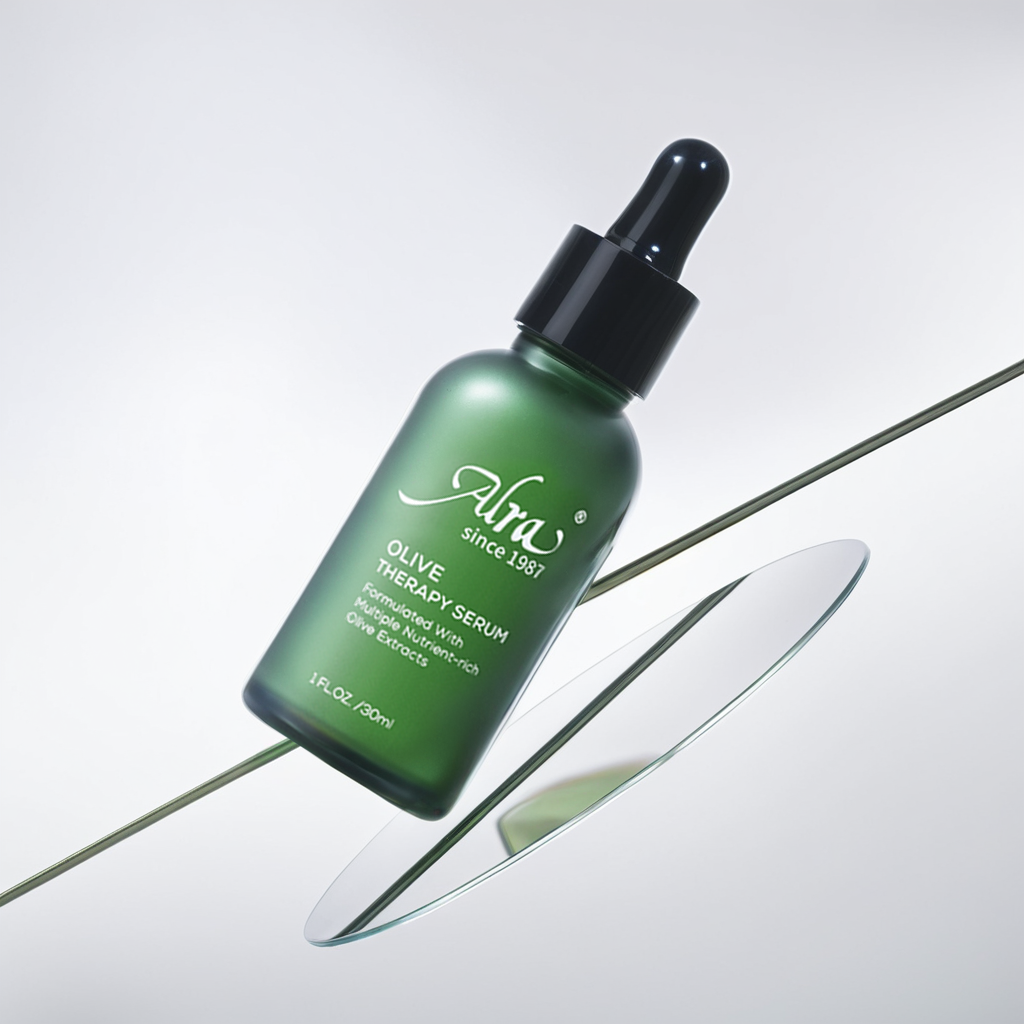
What's Inside Alra Olive Therapy Serum: Ingredient Breakdown for Sensitive Skin
Sensitive Skin Safe | Olive Extract Serum | Ingredient Spotlight Why Ingredients Matter—Especially for Sensitive Skin If you have sensitive, reactive, or post-treatment skin, choosing the right skincare product isn’t just about what it does—it’s also about what’s inside. Alra Olive Therapy Serum is formulated to calm, hydrate, and strengthen delicate skin using clean, clinically backed ingredients. In this blog, we’ll walk you through each of the key ingredients, explain how they work, and why this serum is so loved by people with compromised or stressed skin. 🌿 Hero Ingredient: 22% Olive Extracts At the heart of this serum is a 22% concentration of olive fruit and olive leaf extract, packed with powerful polyphenols like: Hydroxytyrosol – A potent antioxidant known to reduce inflammation, prevent oxidative damage, and promote healing Oleuropein – Helps calm redness, defend against bacteria, and support skin recovery Why it matters: These olive-derived actives are gentle yet effective alternatives to vitamin C, especially for sensitive or post-procedure skin. They protect the skin barrier without causing irritation. 💧 Hydration Boosters Glycerin A classic humectant that draws water into the skin, making it soft, smooth, and supple Helps maintain hydration without feeling heavy or greasy Sodium Hyaluronate A form of hyaluronic acid that deeply hydrates and plumps the skin Perfect for dry, tight, or post-acid skin Pentylene Glycol & Butylene Glycol Lightweight moisturizers that enhance ingredient penetration Help the serum absorb quickly without pilling or clogging pores 🔬 Calming & Repairing Agents Dipotassium Glycyrrhizate (Licorice Root Extract) Known for reducing redness and inflammation Helps soothe skin after exfoliation or aesthetic treatments Hydroxyphenyl Propamidobenzoic Acid A synthetic oat-inspired molecule that calms irritation Often used in medical-grade skincare for rosacea or eczema-prone skin Arginine An amino acid that supports the skin’s natural repair process Enhances healing and barrier function 🌿 Safe for Daily Use — Even Post-Procedure The formula is: Fragrance-free Alcohol-free Non-comedogenic Suitable for sensitive, acne-prone, and post-laser skin How It All Comes Together Alra Olive Therapy Serum isn’t just a hydrating serum — it’s a first-layer healing treatment designed to: Soothe inflammation Reinforce the skin barrier Calm redness and irritation Prep skin for makeup or sunscreen Accelerate recovery after acids or aesthetic treatments How to Use AM & PM: Apply 1–2 pumps to clean skin before moisturizer or sunscreen After acids: Use as the first step to calm and rehydrate Before makeup: Acts as a primer-like layer that reduces irritation and helps foundation go on smoother
Apprendre encore plus
How to Choose a Soap to Wash Your Face
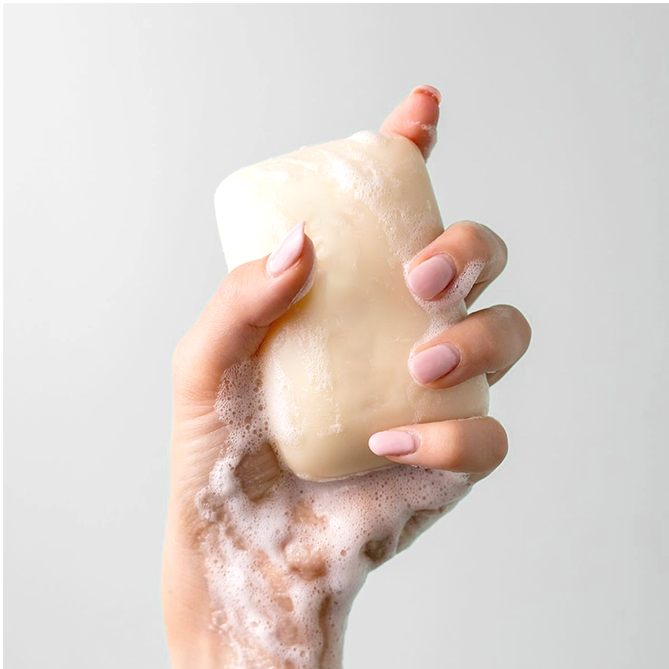
Confused about which soap is safe for your face? Learn how to choose the best facial cleanser for sensitive skin and why Alra All Vegetable Unscented Mild Soap is a trusted, fragrance-free option made with clean, plant-based ingredients.
Apprendre encore plus
Discover the Transformative Power of Alra Olive Therapy Serum
In the ever-evolving world of skincare, one product has emerged as a true game-changer: the Alra Olive Therapy Serum. Crafted with the utmost care and precision, this innovative serum is designed to address a wide range of skin concerns, from the delicate effects of chemotherapy and radiation treatment to everyday skin irritations. At the heart of the Alra Olive Therapy Serum lies the remarkable power of olive oil, a time-honored ingredient renowned for its nourishing and restorative properties. Carefully selected and expertly blended, the olive oil used in this serum is of the highest quality, ensuring that it delivers unparalleled benefits to the skin. One of the standout features of the Alra Olive Therapy Serum is its ability to soothe and relieve the skin during times of stress or discomfort. Whether you're undergoing chemotherapy or radiation treatment, or simply dealing with everyday skin irritations, this serum is formulated to provide a gentle, yet effective, solution. The serum's unique formula is the result of extensive research and development, with a team of skincare experts meticulously crafting each ingredient to work in harmony with the others. The result is a product that not only soothes and nourishes the skin but also helps to restore its natural radiance and vitality. One of the key benefits of the Alra Olive Therapy Serum is its ability to deeply hydrate the skin. The olive oil, combined with a carefully selected blend of other nourishing ingredients, helps to lock in moisture and prevent dryness, leaving the skin feeling soft, supple, and rejuvenated. But the benefits of this serum don't stop there. It also helps to soothe and calm the skin, reducing the appearance of redness and inflammation. This makes it an ideal choice for those dealing with the side effects of chemotherapy or radiation treatment, as well as those with sensitive or reactive skin. Perhaps most impressive, however, is the Alra Olive Therapy Serum's ability to promote the skin's natural healing process. By providing a protective barrier and delivering essential nutrients, the serum helps to support the skin's natural regenerative abilities, allowing it to recover and thrive. Whether you're looking to soothe and nourish your skin during a challenging time or simply want to incorporate a high-quality, natural product into your daily routine, the Alra Olive Therapy Serum is a must-try. Experience the transformative power of this remarkable serum and discover the true beauty of healthy, radiant skin. The Alra Difference At Alra, we are committed to providing our customers with the highest quality skincare products, crafted with the utmost care and attention to detail. Our Olive Therapy Serum is a testament to this dedication, as we have meticulously selected each ingredient to ensure maximum efficacy and safety. Scientifically Formulated The Alra Olive Therapy Serum is the result of extensive research and development, with our team of experts carefully formulating the perfect blend of ingredients to address a wide range of skin concerns. From the selection of the finest olive oil to the inclusion of other nourishing botanicals, every aspect of this serum has been thoughtfully considered to deliver exceptional results. Gentle and Effective We understand that during times of stress or discomfort, the skin requires a gentle, yet effective, approach. That's why the Alra Olive Therapy Serum is formulated to be gentle enough for even the most sensitive skin, while still providing the powerful benefits that your skin needs to thrive. Committed to Your Wellbeing At Alra, we are not just a skincare company – we are a partner in your journey to healthy, radiant skin. That's why we are dedicated to providing you with the tools and resources you need to achieve your skincare goals, whether you're dealing with the effects of chemotherapy, radiation treatment, or simply looking to improve the overall health and appearance of your skin. Experience the transformative power of the Alra Olive Therapy Serum and discover the true beauty of healthy, nourished skin.
Apprendre encore plus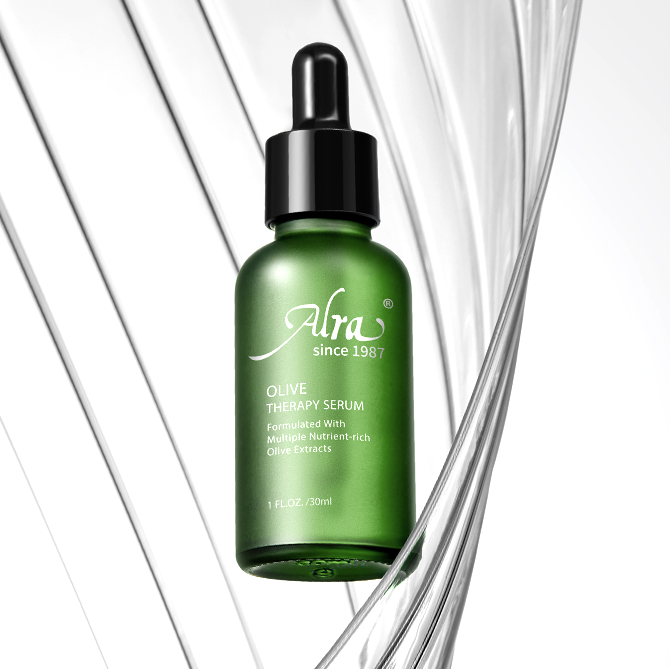
Unlock the Power of Olive Oil: Discover Alra's Transformative Therapy Serum
In the ever-evolving world of skincare, one ingredient has consistently stood the test of time: olive oil. Revered for its nourishing properties and rich history, olive oil has become a staple in the beauty routines of health-conscious individuals worldwide. Today, we're excited to introduce you to Alra Olive Therapy Serum, a groundbreaking product that harnesses the power of this ancient elixir to transform your skin. Alra, a trusted name in the skincare industry, has meticulously crafted this serum to address a wide range of skin concerns. Whether you're struggling with the side effects of chemotherapy, radiation treatment, or simply seeking to soothe and nourish your skin, the Olive Therapy Serum is your go-to solution. The Transformative Power of Olive Oil Olive oil has long been celebrated for its exceptional moisturizing properties, thanks to its high concentration of healthy fats and antioxidants. These nourishing compounds work in synergy to deeply hydrate the skin, reducing the appearance of fine lines and wrinkles while promoting a youthful, radiant glow. But the benefits of Alra's Olive Therapy Serum don't stop there. This innovative formula also contains a blend of carefully selected botanicals, each chosen for its ability to address specific skin concerns. From soothing aloe vera to nourishing shea butter, every ingredient in this serum works in harmony to provide your skin with the ultimate care and protection. Tailored for Sensitive Skin One of the standout features of the Olive Therapy Serum is its gentle, non-irritating formula. Designed with the needs of sensitive skin in mind, this serum is free from harsh chemicals, fragrances, and other potential irritants. This makes it an ideal choice for those undergoing chemotherapy or radiation treatment, whose skin may be particularly vulnerable and in need of extra care. A Holistic Approach to Skincare At Alra, we believe that true beauty comes from within. That's why our Olive Therapy Serum is not just a topical solution, but a holistic approach to skin health. By nourishing the skin from the inside out, this serum helps to strengthen the skin's natural barrier, improving its ability to defend against environmental stressors and maintain optimal moisture levels. Unlock Your Skin's Radiance Ready to experience the transformative power of Alra Olive Therapy Serum? Visit our website or contact us at (877) 265-9092 to learn more about this revolutionary product and how it can help you achieve the healthy, glowing skin you deserve. Unlock the secrets of olive oil and let your skin's natural radiance shine through.
Apprendre encore plus
Unlock the Secret to Youthful Skin with Alra Renewal Serum
In today's fast-paced world, where the demands of daily life can take a toll on our skin, finding a reliable and effective anti-aging solution has become a top priority for many. Fortunately, Alra Skin Care has developed a revolutionary product that promises to turn back the clock and restore the radiance of your complexion – the Alra Renewal Serum. The Science Behind Alra Renewal Serum Alra Renewal Serum is a meticulously formulated blend of powerful, clinically-proven ingredients that work in synergy to target the root causes of aging skin. At the heart of this serum is a proprietary complex that combines the potent antioxidant properties of vitamin C with the skin-plumping benefits of hyaluronic acid and the age-defying effects of retinol. Vitamin C is a well-known powerhouse when it comes to combating the visible signs of aging. It helps to neutralize free radicals, which can cause oxidative stress and accelerate the breakdown of collagen and elastin – the structural proteins that keep our skin firm, supple, and youthful. By replenishing the skin's vitamin C levels, Alra Renewal Serum helps to minimize the appearance of fine lines, wrinkles, and age spots, leaving you with a more radiant, even-toned complexion. Hyaluronic acid, on the other hand, is a natural humectant that can hold up to 1,000 times its weight in water. By deeply hydrating the skin, it plumps up fine lines and wrinkles, giving your face a more youthful, plump appearance. This ingredient also helps to improve skin elasticity, making it a crucial component in the fight against premature aging. Finally, the inclusion of retinol, a derivative of vitamin A, in the Alra Renewal Serum formula helps to stimulate cell turnover and boost collagen production. This powerful anti-aging ingredient has been shown to reduce the appearance of fine lines and wrinkles, improve skin texture, and even out skin tone. The Alra Difference What sets Alra Renewal Serum apart from other anti-aging products on the market is the brand's commitment to using only the highest-quality, clinically-tested ingredients. Unlike some brands that rely on harsh chemicals or synthetic fragrances, Alra Skin Care formulates its products with gentle, natural ingredients that are kind to even the most sensitive skin types. In addition to the powerful antioxidant, hydrating, and collagen-boosting properties of the serum's key ingredients, Alra Renewal Serum also contains a blend of soothing botanicals, such as aloe vera and chamomile, to help calm and nourish the skin. This makes it an ideal choice for those who are concerned about the potential irritation that can come with using potent anti-aging products. Visible Results in Just Weeks One of the most impressive aspects of Alra Renewal Serum is the speed at which it delivers visible results. Many users report seeing a noticeable improvement in the appearance of their skin within just a few weeks of consistent use. As the serum's active ingredients work to stimulate collagen production, reduce the appearance of fine lines and wrinkles, and even out skin tone, you'll begin to notice a more youthful, radiant glow. The skin's texture will also feel smoother and more supple, as the serum's hydrating properties plump up the complexion. Over time, the cumulative effects of using Alra Renewal Serum become even more pronounced. Fine lines and wrinkles continue to diminish, age spots fade, and the overall appearance of the skin becomes more luminous and youthful. Gentle Enough for Sensitive Skin One of the key concerns many people have when it comes to anti-aging products is the potential for irritation. Harsh ingredients or high concentrations of active compounds can often lead to redness, dryness, and even breakouts, especially for those with sensitive skin. Alra Renewal Serum, however, is formulated with a gentle, non-irritating blend of ingredients that are suitable for even the most delicate complexions. The serum's soothing botanical extracts help to calm and nourish the skin, while the carefully balanced formula ensures that the active ingredients are delivered in a way that is gentle and non-irritating. Whether you have dry, oily, or combination skin, Alra Renewal Serum can be seamlessly incorporated into your daily skincare routine without fear of adverse reactions. This makes it an ideal choice for those who have struggled to find an effective anti-aging solution that doesn't compromise the health and comfort of their skin. Unlock the Secret to Youthful Skin In a world where the pursuit of youthful, radiant skin is a constant battle, Alra Renewal Serum stands out as a game-changing solution. With its powerful, clinically-proven ingredients and gentle, non-irritating formula, this revolutionary serum offers a comprehensive approach to combating the visible signs of aging. By incorporating Alra Renewal Serum into your daily skincare routine, you can unlock the secret to a more youthful, luminous complexion. Experience the transformative power of this remarkable product and reclaim the vibrant, healthy-looking skin you deserve. Don't wait any longer to take control of your skin's destiny. Invest in Alra Renewal Serum today and embark on a journey towards a more radiant, ageless you.
Apprendre encore plus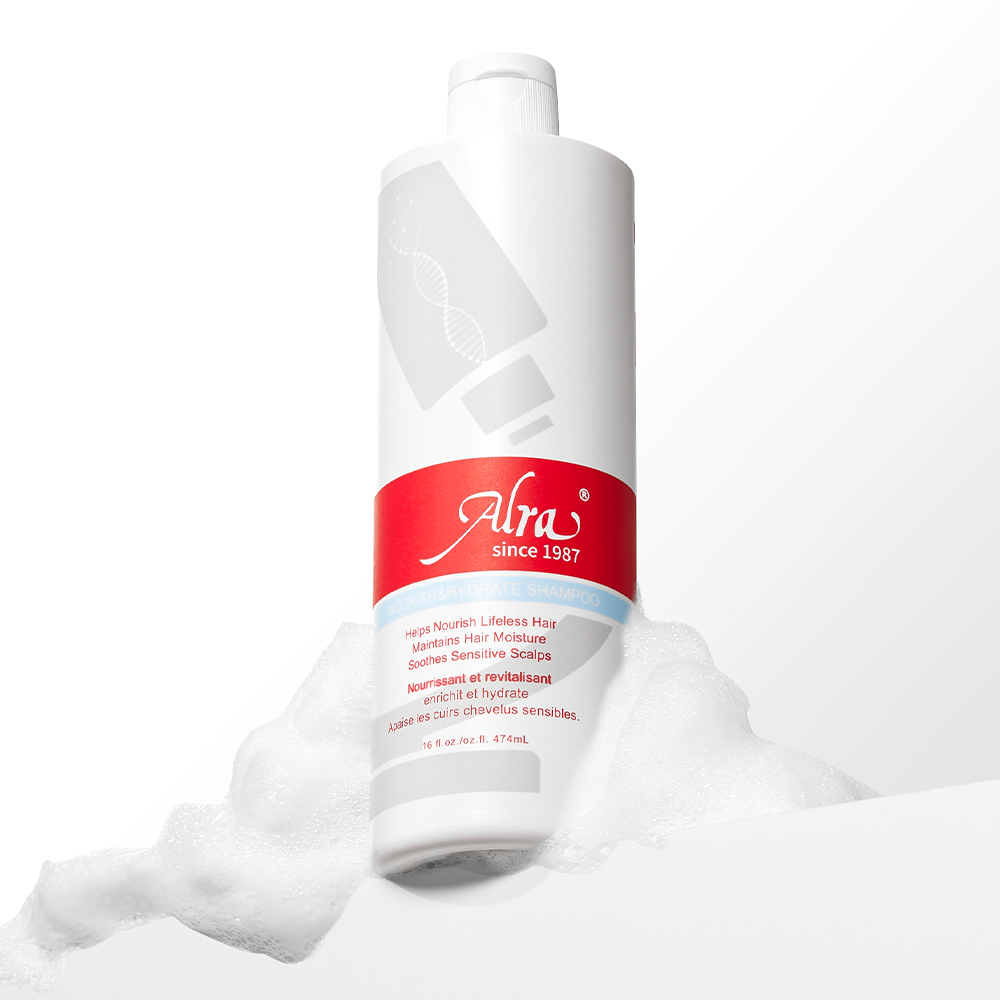
Alra Mild Conditioning Shampoo: Designed to Treat Hair Loss and Boost Regrowth
If you're struggling with hair loss or thinning hair, you're not alone. Many people, especially those undergoing cancer treatment, face this frustrating and often distressing issue. But there's good news - Alra Mild Conditioning Shampoo is here to help. Alra Skin Care is a company dedicated to providing gentle, effective products for those dealing with the side effects of chemotherapy, radiation, and other skin irritations. Their Chemo Kit, which includes a Therapy Lotion, Shampoo, Soap, and Non-metallic Deodorant, is specifically designed to soothe and relieve these challenging conditions. The star of the Chemo Kit is the Gentle Shampoo, a formula that's been carefully crafted to address the unique needs of those experiencing hair loss and thinning. Unlike traditional shampoos that can be harsh and drying, Alra Mild Conditioning Shampoo is formulated with a blend of nourishing ingredients that work to gently cleanse the scalp while promoting healthy hair growth. One of the key ingredients in the Gentle Shampoo is biotin, a B-vitamin that's essential for strong, healthy hair. Biotin helps to strengthen the hair follicles and stimulate new growth, making it an invaluable ally in the fight against hair loss. The shampoo also contains saw palmetto, a natural ingredient that's been shown to inhibit the production of DHT, a hormone that can contribute to thinning hair. But the benefits of Alra Mild Conditioning Shampoo don't stop there. The formula is also infused with soothing aloe vera, which can help to calm and hydrate the scalp, and gentle surfactants that cleanse without stripping the hair of its natural oils. This means that your hair and scalp will feel refreshed and nourished, not dry and brittle. One of the things that sets Alra Mild Conditioning Shampoo apart is its commitment to gentle, effective ingredients. The company understands that those dealing with the side effects of cancer treatment or other skin conditions need products that are gentle and non-irritating. That's why they've carefully selected each ingredient in the Gentle Shampoo to be safe and effective, without any harsh chemicals or harsh fragrances. If you're looking for a shampoo that can help you regain your confidence and feel your best, Alra Mild Conditioning Shampoo is definitely worth a try. With its powerful blend of nourishing ingredients and gentle formula, it's the perfect solution for those struggling with hair loss and thinning hair. Contact Alra Skin Care at (877) 265-9092 to learn more or to place your order today. The Benefits of Alra Mild Conditioning Shampoo Promotes healthy hair growth with biotin and saw palmetto Soothes and hydrates the scalp with aloe vera Cleanses gently without stripping the hair of its natural oils Free from harsh chemicals and fragrances Specifically formulated for those dealing with the side effects of cancer treatment Why Choose Alra Mild Conditioning Shampoo? Alra Skin Care is committed to providing gentle, effective products for those dealing with skin irritations and the side effects of cancer treatment. Their Chemo Kit, which includes the Gentle Shampoo, is designed to soothe, nourish, and support the unique needs of those experiencing hair loss and thinning hair. With its powerful blend of ingredients and gentle formula, Alra Mild Conditioning Shampoo is the perfect solution for anyone looking to regain their confidence and feel their best. Contact the company today at (877) 265-9092 to learn more or to place your order.
Apprendre encore plus
Alra Conditioning Shampoo: Promote Hair Regrowth with Gentle Care
As someone who has gone through the challenges of chemotherapy or radiation treatment, you know how difficult it can be to maintain healthy, vibrant hair. The harsh effects of these treatments can leave your scalp irritated and your hair brittle, making it a struggle to keep it looking its best. But with Alra Conditioning Shampoo, you can finally find the gentle care your hair needs to promote regrowth and restore its natural shine. Formulated with the latest advancements in skincare science, Alra Conditioning Shampoo is specifically designed to soothe and nourish your scalp, providing the essential nutrients your hair craves. Unlike harsh, drying shampoos that can further damage your hair, our formula is infused with a blend of natural ingredients that work in harmony to gently cleanse and condition your locks. At the heart of our shampoo is a powerful combination of aloe vera, chamomile, and vitamin E. Aloe vera is renowned for its soothing and healing properties, helping to calm any irritation or inflammation on your scalp. Chamomile, on the other hand, is a natural anti-inflammatory that can help reduce redness and promote a healthier environment for hair growth. And vitamin E is a powerful antioxidant that can protect your hair from free radical damage, keeping it strong and resilient. But the benefits of Alra Conditioning Shampoo don't stop there. We've also included a blend of nourishing oils, such as argan, coconut, and jojoba, to deeply condition your hair and lock in moisture. These oils work to strengthen each strand, reducing breakage and promoting healthy, vibrant hair. One of the most remarkable things about Alra Conditioning Shampoo is its ability to support hair regrowth. By gently cleansing your scalp and providing the essential nutrients your hair needs, our formula can help stimulate the follicles and encourage new growth. This is especially important for those who have experienced hair loss due to chemotherapy or radiation treatments. But don't just take our word for it. Countless customers have raved about the transformative effects of Alra Conditioning Shampoo, with many reporting a significant improvement in their hair's texture, volume, and overall health. One customer even shared, "After using Alra Conditioning Shampoo for just a few weeks, I noticed a dramatic difference in my hair. It's softer, more manageable, and I can actually see new growth coming in!" If you're ready to take control of your hair's health and promote regrowth with gentle, nourishing care, look no further than Alra Conditioning Shampoo. Experience the difference for yourself and discover the path to beautiful, vibrant hair. The Science Behind Alra Conditioning Shampoo At Alra, we believe in the power of science to create effective, safe, and gentle skincare products. That's why our Conditioning Shampoo is formulated with the latest advancements in haircare technology, ensuring that it delivers the best possible results for your hair and scalp. Our team of expert dermatologists and chemists have carefully selected each ingredient in our shampoo, ensuring that they work synergistically to nourish and revitalize your hair. From the soothing properties of aloe vera to the strengthening benefits of argan oil, every component of our formula has been meticulously chosen to address the unique needs of those undergoing chemotherapy or radiation treatment. Alra's Commitment to Quality and Safety At Alra, we understand the importance of using safe, high-quality products, especially for those with sensitive skin or compromised immune systems. That's why we take great pride in our commitment to quality and safety in all of our products. All of our formulas are rigorously tested to ensure they are free from harsh chemicals, parabens, and other potentially harmful ingredients. We also prioritize the use of natural, sustainable ingredients whenever possible, ensuring that our products are not only effective but also environmentally friendly. Experience the Alra Difference If you're ready to take the first step towards healthier, more vibrant hair, we invite you to try Alra Conditioning Shampoo. With its gentle, nourishing formula and proven ability to support hair regrowth, you can finally achieve the beautiful, confident look you deserve. Contact us today at (877) 265-9092 to learn more about our Alra Care Products and how they can help you on your journey to hair recovery. Together, we can help you reclaim your hair's health and beauty, one gentle wash at a time.
Apprendre encore plus